

Artificial intelligence and machine learning have emerged as pivotal components in the evolution of SEO. These technologies are not merely ancillary; they are foundational in shaping how search engines interpret and rank content. Google, with its AI-powered algorithm, BERT, has set the precedent for understanding and processing human language more naturally, prioritizing context over keywords.
AI-Powered Algorithms
AI-powered algorithms, such as Google's BERT, are transforming the way search engines process information. These algorithms focus on understanding the nuances of human language, enabling them to deliver search results that are more contextually relevant. In 2025, SEO strategies will need to prioritize creating content that aligns with the nuances of these sophisticated algorithms.
With AI's ability to comprehend synonyms and contextual relationships, content creators must move beyond traditional keyword strategies. Instead, they should focus on developing content that resonates with user intent and provides comprehensive answers to complex queries.
Machine Learning and Predictive Analytics
Machine learning is a powerful ally in SEO, offering predictive analytics that can shape content strategies. By analyzing historical data and identifying patterns, machine learning tools can predict future search trends. This capability allows SEO practitioners to anticipate changes and adapt their strategies accordingly.
Real-Time Data and Automation
AI-driven tools are empowering marketers with data-driven insights, allowing for real-time adjustments to SEO strategies. Automation, powered by AI, streamlines the process of optimizing content and executing SEO strategies.
SEO Trends for 2025
Voice Search Optimization
With the proliferation of smart devices, voice search is no longer a novelty but a necessity. Optimizing for voice search requires a deep understanding of conversational language and the types of queries users are likely to vocalize. This involves focusing on long-tail keywords and natural language processing.
Voice search optimization also involves restructuring content to answer common questions directly and succinctly — creating FAQ sections, using structured data, and optimizing for featured snippets.
Mobile-First Indexing
Google's mobile-first indexing means that the mobile version of a website is considered the primary version. Ensuring that websites are optimized for mobile is essential — responsive design, fast loading times, and mobile-friendly navigation.
User Experience (UX) and Core Web Vitals
User experience has always been a significant factor in SEO, but with the introduction of Core Web Vitals, it has become even more critical. These metrics assess the loading performance, interactivity, and visual stability of a page. Sites that prioritize UX and meet Core Web Vitals thresholds are expected to rank higher on Google.
SEO Best Practices for 2025
Content Quality and Relevance
Content remains king in the realm of SEO. However, the focus is shifting towards quality and relevance rather than quantity. Creating in-depth, informative, and engaging content that addresses the user's needs will be paramount. This includes incorporating multimedia elements such as videos and infographics to enhance the user experience.
Structured Data and Schema Markup
Structured data and schema markup are crucial for helping search engines understand the content of your pages. By providing additional context, these tools enhance search visibility and can improve click-through rates. Utilizing structured data will be more important than ever, as it can enhance the appearance of search results with rich snippets.
Building Authoritative Backlinks
Despite evolving trends, backlinks continue to be a significant ranking factor. However, the emphasis is on quality over quantity. Building relationships with reputable sites and earning backlinks through high-quality, shareable content is a practice that will remain relevant.
The Future of SEO: Preparing for 2025 and Beyond
Embracing Technological Advancements
The future of SEO lies in the integration of advanced technologies such as AI, machine learning, and natural language processing. By embracing these advancements, businesses can create more personalized and engaging user experiences, ultimately improving their search engine rankings.
Continuous Learning and Adaptation
The digital landscape is in a constant state of flux, and SEO is no exception. Continuous learning and adaptation are essential for staying ahead. This involves keeping abreast of industry updates, experimenting with new strategies, and being open to change.
Summing up
In conclusion, the SEO landscape in 2025 will be defined by advancements in technology, particularly AI and machine learning. By understanding these changes and adapting best practices, businesses can position themselves for success in the digital arena. The key to thriving lies in embracing innovation, prioritizing user experience, and continuously refining strategies to meet the evolving demands of search engines and users alike.
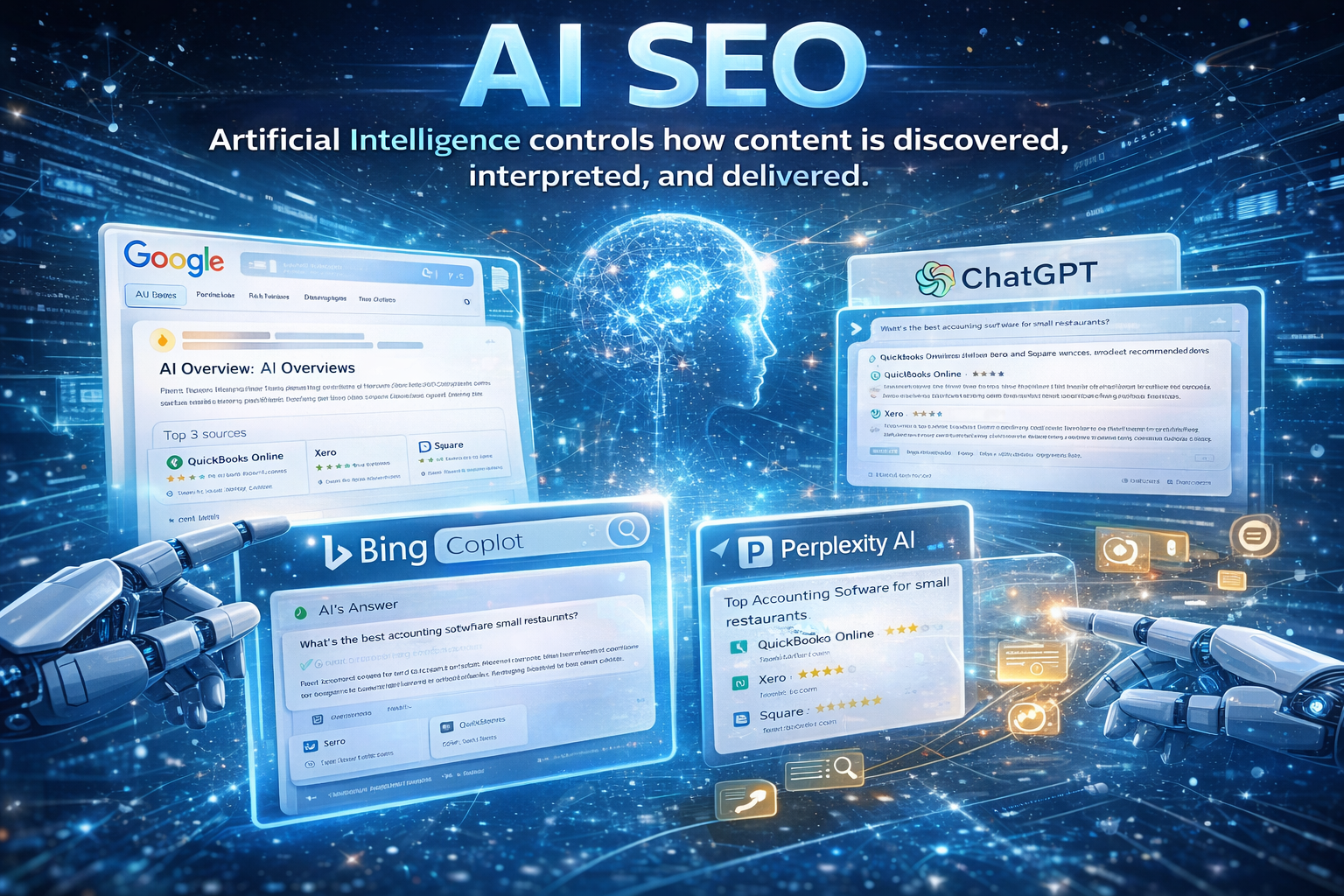
AI SEO in 2026: What Every Business Owner Must Know to Stay Visible
Questions to Ask Your Agency AI SEO in 2026: What Every Business Owner Must Know to Stay Visible.

Unlock Your Creative Potential: Using AI Tools to Write and Publish Fiction
Using ChatGPT and Kindle Publishing. Unlock Your Creative Potential.